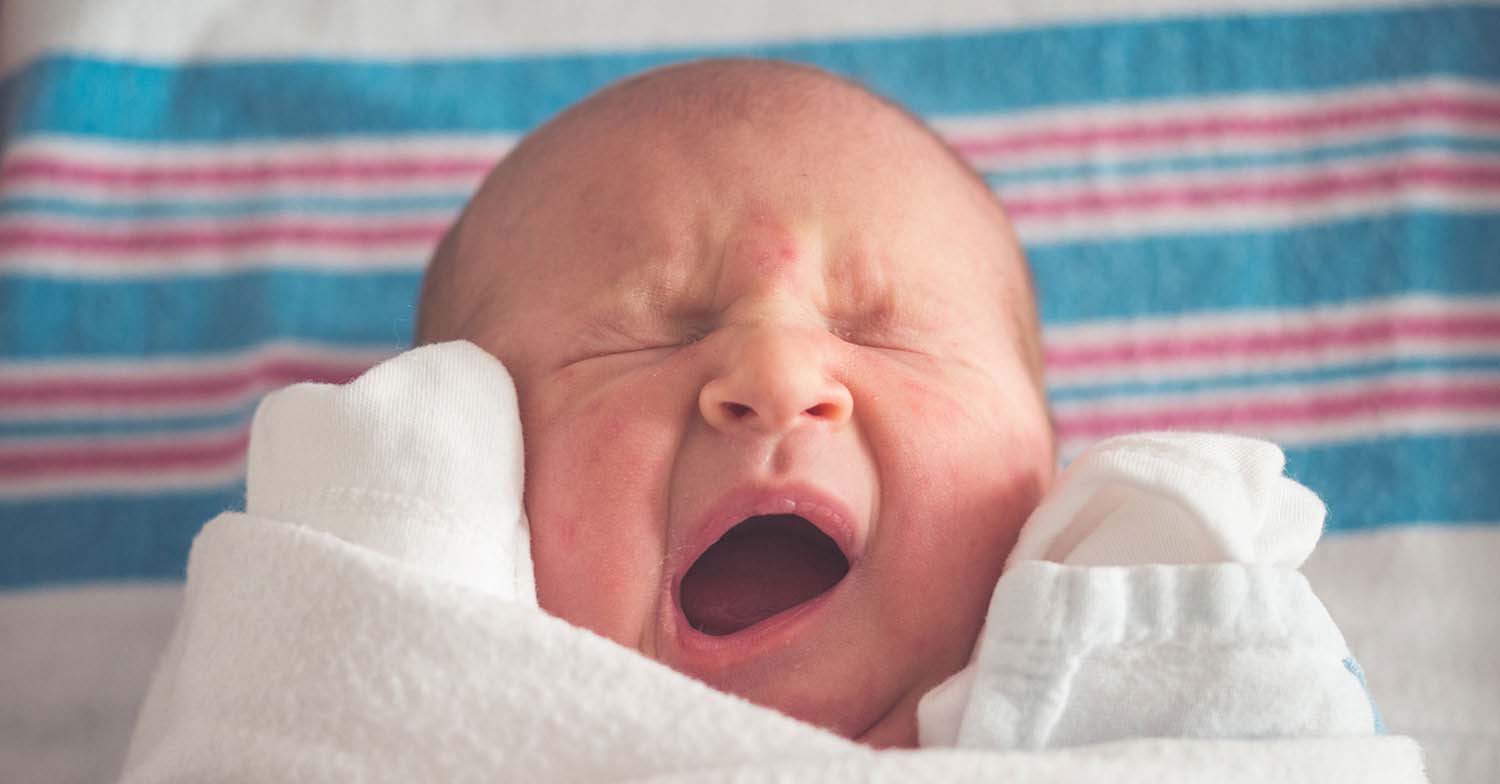
Newborn Bonding Made Easy

newborn bonding

Some of us feel an intense bond the minute our baby is born. For many other parents, that passionate connection isn't that immediate - and they feel guilty. Be kind to yourself; it often takes days or weeks for those newborn bonding feelings to well up, and it can take as long as seven months, an ongoing process of positive give and take, for parents and babies to form a secure attachment. If persistent sadness interferes with the bonding, please seek an evaluation for post-partum depression. You don't have to be supermom or dad to create the bond as you get acquainted with your baby. But here are some ways you can nudge it a long. Some may be intuitive for you. Tips to Help You Bond 1.    Create routines that your child can expect and count on-not just at bedtime, mealtime, and bath time. Have a special toy for diaper changes, or a favorite song as you start your daily walks. 2.    Respond to his needs quickly. If he cries because he's wet, change him. If he makes hungry noises, feed him. If you can't address his need immediately, acknowledge him clearly, let him know you heard him and will be there as soon as you can. If possible, give him a toy to hold and talk to him while you finish up whatever you're... more

Leave a Comment → 0 Comments

Did You Know That 1 in 5 Women Experience Postpartum Depression?

postpartum depression

Written by Dr. Shosh I’m a survivor of two life-threatening postpartum depressions.  At the time of my illnesses, there was no help for me. The great news is that, if you’re suffering from depression in pregnancy or postpartum or know someone who is, there’s help now.  For the last 24 years my mission has been to educate medical and mental health professionals, and work directly with women and their families around the world to make sure they don’t suffer the way my family and I did.  I’ve worked with over 19,000 women, and I’ve never met one who did not fully recover when given proper help. Women are most vulnerable to mood and anxiety disorders during pregnancy and the postpartum period.  If depression or anxiety is going to surface, it typically happens at this time. Postpartum depression (ppd) is one of six postpartum mood disorders and is the most common, affecting about 15 percent of mothers around the world.  The primary cause for ppd is thought to be the huge hormonal drop after the baby is delivered.  This hormone shift then affects the neurotransmitters (brain chemicals).  There are also psychosocial factors such as moving, illness, poor partner support, financial hardship, and social... more

Leave a Comment → 0 Comments

Second baby coming! How Long Should We Roomshare?!

second baby roomshare

This week's question from Kate: "I'm pregnant with my second child.  My son will be 3 when the new baby comes.  He is a great sleeper.  We live in a small 2 bedroom townhouse.. so my concern is how long should the baby roomshare with my husband and I before moving the 2 kids to the same room?  I'm worried that the baby will be waking up my 3 year old during the night...but at the same time, I don't want the baby to be used to sleeping in our room for too long (it's also a small room so once the baby outgrows the cradle...I won't be able to fit a crib in there). I'd love your expert advice!!" Dear Kate, Congratulations on the upcoming arrival of baby #2! Given your room set up, I think  it makes the most sense to have your baby sleep in the cradle in your room, or roomshare,  until he or she sleeps through the night.  Consider buying a sound screen or white noise maker for your son's room so he won't hear the baby wake during the night. Read the two chapters in "Good Night, Sleep Tight" about newborns, especially "The Right Start for Newborns and Infants". If you follow my "8 Rules of Infant Slumber" with your new baby and gently sleep shape, you won't have to sleep coach him or her later! Once the baby... more

Leave a Comment → 8 Comments

“When Should I Stop Swaddling My Baby” – Weaning Your Baby Out of His Swaddle

swaddle

Many parents of newborns worry that they will have to actively "wean" their baby from swaddling.  Luckily, babies often send clear signals that they don't like being swaddled anymore as they get more mobile. On average, babies are ready to be weaned off swaddling between  3 and 4 months of age. However, many babies continue to enjoy being swaddled for naps while not be swaddled for night sleep. That's ok! It's more difficult to go to sleep during the day so swaddling can help. How to tell if your baby no longer needs to be swaddled -your baby wiggles out of their swaddling blanket frequently -your baby can roll over-your baby fights the swaddle more then usual and no longer quiets easily when swaddled There are several different approaches to weaning your baby from swaddling -After 2 or 3 months, try swaddling her with one arm out. If she fusses and hits herself she is not ready- try again in a couple of weeks. If she is happy leave her arm out. In a couple of days or weeks you can try putting her down with both arms out. -Some babies even like having their legs unswaddled first before trying the arms. It's worth a try! -If your baby is not rolling yet but busting out of her swaddle despite your... more

Leave a Comment → 1 Comment

How The Sniffles Can Mess Up Your Toddler and Baby’s Sleep Patterns

Sick toddler sleep patterns

How the Sniffles Can Mess Up Your Toddler and Baby's Sleep Patterns - Guest Post by Lewis J. Kass, MD For those of us who were forced to take physics in high school or college, you may recall a physical property related to the flow of air through a tube. That property stated that as a tube became more and more narrow, the harder it was for air to flow through that tube. That difficulty worsened exponentially the smaller that tube became. Then as if we thought we'd never need to understand that principle beyond the final exam, suddenly we have a baby or young child with a stuffy nose from a cold or from allergies. It then makes a ton of sense how that little stuffy nose results in a terrible night's sleep. If it's hard for air to get passed that swollen nose then it's hard to breathe.  If it's hard to breathe then we can't possibly be comfortable enough to sleep.  Because our babies and toddlers and young children have such little noses and airways to begin with, any extra swelling, narrowing or obstruction takes a tremendous toll especially on sleep patterns. With this in mind, there are numerous respiratory conditions throughout infancy and childhood that wind up being particularly problematic for sleep. ... more

Leave a Comment → 1 Comment

Symptoms of Postpartum Depression – This is Not Just the Baby Blues

postpartum depression

I recently went to a workshop on Post Partum Depression (PPD) and was shocked and saddened to hear how prevalent and largely untreated PPD is. As a mother and social worker, I felt compelled to write about this topic in my newsletter and to encourage each of you to speak up, share your stories and feelings, listen to a friend's story and seek professional help if needed. In last month's newsletter I asked readers who had experienced PPD to share their story with me. I received hundreds of emails!!! I wanted to personally respond to all of them--my heart went out to each of you. Because I could not choose just one story or try to edit them all, I decided to share an excerpt from "Beyond the Blues-A Guide to Understanding and Treating Prenatal and Postpartum Depression" By Shoshana S. Bennett, PhD and Pec Indman, EdD, MFT , Moodswings Press, 2003. "Contrary to popular mythology, pregnancy is not always a happy, glowing experience! Approximately 15- 20 percent of pregnant women experience depression. Of these, about 15 percent are so severely depressed that they attempt suicide. There are five postpartum mood disorders. This list details each of the principal disorders, some of their most common symptoms, and risk... more

Leave a Comment → 0 Comments

Sex After Baby – Enhancing Intimacy after your Newborn Arrives

sex after baby

Ellen was overcome with love for Sarah, her exquisite newborn daughter.  Watching her husband Michael tenderly rock the tiny precious being they created, she thought she'd never been so happy.  Ellen never dreamed that life, and love, could feel like this.  For the first time, she understood the meaning of the word bliss. But it soon became clear that bliss was not to be Ellen's perpetual state. In fact, she was learning all new meanings for many emotions, not all of them so pleasant.  Exhaustion, irritation, frustration - these feelings become all too frequent visitors as she negotiated the challenges of motherhood.  And to complicate matters further, she and Michael were experiencing totally different sexual needs. The last thing Ellen wanted was sex.  She was getting more than her share of cuddling and loving connection with Sarah.  Michael, on the other hand, was not.  He seemed to want sexual contact even more than ever.  He had been patient during her pregnancy, she wasn't physically comfortable the last trimester and mostly not interested in making love.  However, at Sarah's six month check-up, Michael suggested Ellen ask her own doctor if her low sex drive was normal.  Ellen didn't really care if... more

Leave a Comment → 0 Comments